

/prod01/wlvacuk/media/departments/digital-content-and-communications/submitted-news-images/Wolves-Women-interview.jpg)
/prod01/wlvacuk/media/departments/digital-content-and-communications/submitted-news-images/CLS-cohort-2024.jpeg)
/prod01/wlvacuk/media/departments/digital-content-and-communications/images-18-19/beinghuman_teaser.jpg)
/prod01/wlvacuk/media/departments/digital-content-and-communications/submitted-news-images/Espanyol-FC-exchange.jpg)
/prod01/wlvacuk/media/departments/digital-content-and-communications/submitted-news-images/Varsity.jpg)
/prod01/wlvacuk/media/departments/digital-content-and-communications/submitted-news-images/WMBF-business-festival.jpg)
/prod01/wlvacuk/media/departments/digital-content-and-communications/submitted-news-images/WUSCAs-Shortlist-tile-1.png)
.jpg)
Please access our Crisis Support webpages for staff and students if you require immediate support in an emergency.
The University of Wolverhampton believes that all individuals have a right to learn and develop within a safe environment and is committed to protecting children and adults who may be at risk of abuse, harm or neglect. The University is committed to promoting the welfare of children and adults at risk of abuse, harm or neglect; who chose to study at the University either as a student or an apprenticeship learner.
The University of Wolverhampton takes seriously its responsibility to safeguard and promote the welfare of any member of the University community and to work together with other agencies to ensure that adequate arrangements are in place to identify, assess, and support any member of the University community who may be suffering from abuse, harm or neglect; or is at risk of being drawn into terrorism and being radicalised.
Please access our SafeZone App which is accessible to both students and staff and promotes safety in a number of ways.
The University of Wolverhampton safeguarding responsibilities relate to:
The safeguarding of children and adults at risk in addition to all of the wider University community consisting of staff, students, apprenticeship learners, visitors and contractors engaged by the University and anyone who may come into contact with a child or an adult at risk; as part of their work; or associated activities. The policy is applicable in respect of all activities, including leisure centre activities and research activities.
All members of staff who come into contact with children and/or adults at risk are in a position of trust and are responsible for being aware of this and should act accordingly in ensuring their role in the University’s duty of care is fully carried out.
The University of Wolverhampton Safeguarding Policy:
- Reflects the current legislative context and takes account of relevant guidance and good practice.
- Provides protection for children and adults at risk who come into contact with the University.
- Provides staff, students, apprenticeship learners, visitors and contractors guidance on procedures that must be adopted.
- Sets out a reporting system for staff, students and apprenticeships learners who need to make a referral.
- Abuse – could mean neglect, physical, emotional, sexual or a combination of these.
- A child – is defined as under the age of 18 years. For the University, this relates to any Apprenticeship learners aged between 16 – 18.
- An Adult at Risk – is defined as someone 18 years of age or over who is or may need to receive community care services by reason of mental health or other disability, age or illness and who may be unable to take care of themselves or protect themselves against significant harm or exploitation. For the University, this relates to any learner who meets the criteria above on either our Apprenticeship programmes and/or adult provision.
Meet our Safeguarding team
You should report all safeguarding concerns immediately by completing the confidential form.
Dr Angela Spence Chair of the Board of Governors
The Designated Safeguarding Governor has responsibility for Board-level scrutiny of safeguarding and Prevent. Their role is to:
- Provide assurance to the Board of Governors that the University is meeting its statutory, regulatory and moral obligations.
- Act as a critical friend to senior leaders and safeguarding staff.
- Ensure safeguarding is visible within governance structures and decision-making.
- Escalate concerns where safeguarding standards or practices require improvement.
- Support compliance with OfS Conditions E2 and E6, Prevent Duty requirements, and national safeguarding frameworks.
The Safeguarding Governor can be contacted confidentially at: A.Spence2@wlv.ac.uk
.jpg)
Dr Clare Dickens MBE, Director of Student Life
The Designated Safeguarding Lead holds senior institutional responsibility for safeguarding and ensures:
- Leadership and strategic oversight of safeguarding practice and compliance.
- Effective implementation of this policy and all associated procedures.
- Clear communication of safeguarding expectations across the University.
- That concerns about harm, abuse, neglect or exploitation are appropriately escalated.
- Provision of reports to the Executive Board, Audit and Risk Committee and Board of Governors.
- That the University meets all statutory obligations under safeguarding, Prevent and the OfS regulatory framework.
The DSL is supported in their duties by the Principal Safeguarding Lead and the Safeguarding Team, they can be contacted via: Clare.Dickens@wlv.ac.uk

Dr Clare Dickens MBE, Director of Student Life
The Principal Safeguarding Lead provides operational oversight, expertise and leadership across all safeguarding activity involving students and apprentices. Responsibilities include:
- Leading the operational safeguarding response across the University.
- Providing expert advice to the DSL, senior leaders and staff across all faculties.
- Coordinating safeguarding training, awareness and culture-change programmes.
- Overseeing referrals, case management, risk assessment and multi-agency engagement.
- Leading institutional work on sexual misconduct, harassment prevention and E6 compliance.
- Chairing or contributing to citywide and regional safeguarding partnerships, including suicide prevention and domestic abuse frameworks.
The Principal Safeguarding Lead can be contacted at: Clare.Dickens@wlv.ac.uk
Donna-Louise Harvey - Head of Operational Safeguarding (Students) and Institutional Lead for Care Experienced and Estranged Students
Responsibilities include:
- Managing day-to-day safeguarding referrals and casework.
- Conducting risk assessments, safety planning and multi-agency coordination.
- Maintaining the Single Central Record (SCR) in partnership with HR.
- Overseeing the safeguarding needs of care-experienced and estranged students.
- Providing professional advice to faculties, apprenticeships and services.
- Ensuring accurate and timely safeguarding reporting.
Please see the link below for any Safeguarding online drop in bookings:
https://outlook.office365.com/owa/calendar/Safeguarding1@livewlvac.onmicrosoft.com/bookings/
Email: D.Harvey5@wlv.ac.uk

Leigh Clarke, Director of Corporate Compliance Email: L.Clarke@wlv.ac.uk
The Prevent Lead has institutional oversight of Prevent Duty compliance. Responsibilities include:
- Managing the Prevent risk assessment and action plan.
- Ensuring integration of CTLP (Counter Terrorism Local Profiles) into risk management.
- Participating in Prevent Delivery Groups, Channel panels, and local CONTEST structures.
- Overseeing staff Prevent training and awareness.
- Supporting compliance with the Terrorism (Protection of Premises) Act (“Martyn’s Law”).
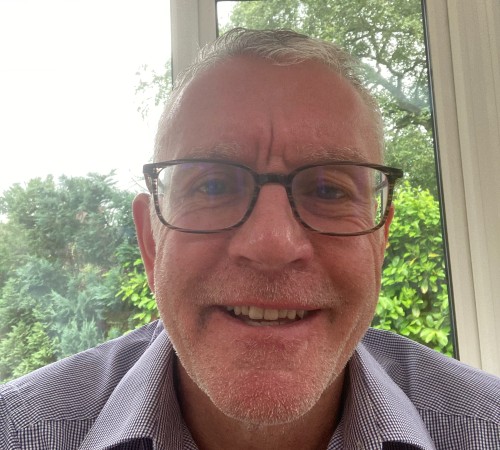
Leigh Clarke also acts as Deputy DSL
.jpg)
Want to know more
You should report all safeguarding concerns immediately by completing the confidential form.
Child sexual exploitation (CSE) is a type of sexual abuse. It occurs when a person or group takes advantage of an imbalance of power, and a young person is exploited by being given things, like gifts, drugs, money, status and affection, in exchange for performing sexual activities. The victim may have been sexually exploited even if the sexual activity appears consensual. Children and young people are often tricked into believing they're in a loving and consensual relationship. This is called grooming. These young people may trust their abuser and not understand that they're being abused. Child sexual exploitation can also occur through the use of technology and does not necessarily have to involve physical contact.
Anybody can be a perpetrator of CSE, no matter their age, gender or race. The relationship could be framed as friendship, someone to look up to or romantic. Children and young people who are exploited may also be used to 'find' others to join groups.
More information
- The Glade provides a service to men and women who have experienced rape or sexual assault.
- Accommodation Services procedure for incidents of sexual violence and inappropriate sexual behaviour.
Child Criminal exploitation is abuse when children/young people are manipulated and coerced into committing crimes. Gangs are a way of exploiting young children by grooming them. Gang membership can be linked to illegal activity, especially organised criminal gangs involved in trafficking, drug dealing and violent crimes.
County Lines is a police term for urban gangs exploiting young people into moving drugs or money from a hub into other markets, suburban areas and coastal towns using dedicated mobile phone lines. This can involve children being trafficked away from their home area and staying in accommodation whilst selling and manufacturing drugs.
More information
- Projects involving criminal justice are at the forefront of the work undertaken by the University's Institute for Community Research and Development.
- Child Exploitation and online protection (CEOP)
Forced marriage is a marriage in which one or more of the parties are married without their consent or against their will. Violence, threats, or any other form of coercion is used to cause a person to enter into marriage. Threats can be physical or emotional, and psychological.
Forced marriage is illegal in England and Wales. This includes taking someone overseas to force them to marry (whether or not the forced marriage takes place) and marrying someone who lacks the mental capacity to consent to the marriage (whether they’re pressured to or not).
More information
Homelessness is lacking stable and appropriate housing. People can be categorized as homeless if they are: living on the streets (primary homelessness); moving between temporary shelters, including houses of friends, family and emergency accommodation (secondary homelessness); living in private boarding houses without a private bathroom or security of tenure (tertiary homelessness). Homelessness presents a real risk to a child’s welfare. Indicators that a family may be at risk of homelessness include household debt, rent arrears, domestic abuse and anti-social behaviour, and the family being asked to leave a property. Any designated safeguarding lead (or deputies) should be aware of contact details and referral routes into the Local Housing Authority so they can raise concerns as soon as possible.
More information
Most parents or carers who drink alcohol or use drugs are not at risk to children, but if their drinking or drug use becomes harmful, this is substance misuse, and it can stop them from providing safe care to children, especially when combined with other features such as domestic violence, mental illness and should prompt careful consideration as to how families can be supported and where necessary children/young people protected.
Children and young people can also place themselves at risk through their own use of drugs or alcohol. This activity increases their vulnerability to other forms of harm. Substance misuse can have negative effects on children and young people at different stages in their lives. These include physical and emotional abuse or neglect, behavioural or emotional problems, having to care for parents or siblings and poor attendance at school or low grades, to name just a few.
More information
- NHS guidance on addiction
- Recovery near you - confidential support
- The Beacon Walsall - recovery services
- Aquarius - West Midlands support charity
- Alcoholics Anonymous
- Drink Aware
- Al Anon - family support groups
- FRANK
- Alcohol and Substance Misuse Policy and Procedure
Abuse linked to faith or belief is where a belief could cause concerns for a child’s welfare in witchcraft, spirit or demonic possession, ritual or satanic abuse or when practices linked to faith or belief are harmful to a child. For example, significant harm (including murder) can occur because of concerted efforts to ‘excise’ or ‘deliver’ evil from a child or vulnerable adult. Fear of the supernatural is also used to make children comply with being trafficked for domestic slavery or sexual exploitation.
Gender-based violence refers to harmful acts directed at an individual based on their gender. Gender-based violence is a serious violation of human rights and a life-threatening health and protection issue. Gender-based violence covers a spectrum of violence and abuse such as sexual, physical, mental and economic harm inflicted either in public or private. It also includes threats of violence, coercion and manipulation. It is usually committed primarily but not exclusively against women by men.
More information
Hazing or initiation ceremonies refer to the practice of rituals, challenges, and other activities involving harassment, risk, abuse, pain or humiliation used to initiate a person into a group. College or university hazing often entails excessive alcohol consumption and ritualized pain endurance. It may include physical or psychological abuse.
Radicalisation is defined as the process by which people come to support terrorism and extremism and, in some cases, to then participate in terrorist groups. Children and young people who are at risk of radicalisation may have low self-esteem or be victims of bullying or discrimination. Extremists might target them and tell them they can be part of something special. Radicalisation can be really difficult to spot.
Some signs include isolating themselves from family and friends, unwillingness or inability to discuss their views, a sudden disrespectful attitude towards others and increased secretiveness, especially around internet use. However, these signs don't necessarily mean a child is being radicalised – it may be normal teenage behaviour or a sign that something else is wrong.
More information
- ACT - information about making a report
- ChildLine: Worries about the World - information on terrorism and radicalisation
- Government Prevent guidance
Modern slavery is the severe exploitation of other people for personal or commercial gain. People can become entrapped and controlled and can face violence or threats, be forced into inescapable debt, or have their passport taken away and are being threatened with deportation. Many fall into this oppressive trap simply because they were trying to escape poverty or insecurity, improve their lives and support their families.
Human trafficking includes, at a minimum, forms of sexual exploitation, threats or coercion to transport, recruit or harbour people to exploit them by forced labour, slavery or practices similar to slavery, criminality, marriage, servitude or organ removal.
More information

Want to know more
You should report all safeguarding concerns immediately by completing the confidential form.
Sexting is sending, receiving, or forwarding sexually explicit messages, photographs, or videos, primarily between mobile phones, of oneself to others. It may also include the use of a computer or any digital device. Under 18s, sharing images and videos via text message, email, social media, or mobile messaging apps has become commonplace. Imagery of a sexual nature, however, via photos or videos involving anyone under the age of 18 is illegal. Sexting between adults is legal, but it’s against the law to send a nude or any sexual image or video to someone under 18. Asking for or viewing sexual images of someone who’s under 18 is also a crime. Sharing or threatening to share someone else’s nudes or sexual videos without their consent is against the law, even if they are over 18.
If somebody physically hurts you or verbally abuses you, that’s bullying. Specific types of bullying can include homophobic bullying based on your sexual orientation, racist bullying, religious bullying, bullying because you are different, sexist bullying focusing on you being of the opposite sex and cyberbullying targeting you online, often anonymously. Unlike bullying offline, online bullying can follow a person wherever they go, via social networks, gaming and mobile phones.
It's usually repeated over a long period of time and can hurt children, young people and vulnerable adults both physically and emotionally. At its worst, bullying has driven people to self-harm and even suicide. Bullying, which takes place in educational places, can be a barrier to learning and have serious consequences to mental health and have a lasting effect on young people’s lives well into adulthood.
More information
Domestic abuse is a pattern of behaviour on the part of the abuser designed to control, coerce or threaten a partner. It can happen at any point in a relationship, including after you have split up. Anyone forced to change their behaviour because they are frightened of their partner or ex-partner’s reaction is experiencing abuse.
Domestic abuse can happen to anyone; however, statistics show most domestic abuse is typically carried out by men and experienced by women. Domestic abuse is a crime and never the fault of the person who is experiencing it.
More information
- Information from Human Resources
- National domestic violence helpline
- Haven Refuge
- Black Country Women's Aid
- West Mercia Women's Aid
Female genital mutilation (FGM) is a procedure where the female genitals are deliberately cut, injured or changed, but there's no medical reason for this to be done. It's also known as female circumcision or cutting and by other terms. It is usually carried out on young girls and is a form of child abuse. It's dangerous, can seriously harm the long term health of women and girls and is a criminal offence in the UK.
UK communities that are at risk of FGM include Somali, Kenyan, Ethiopian, Sierra Leonean, Sudanese, Egyptian, Nigerian, Eritrean, Yemeni, Kurdish and Indonesian women and girls.
More information
Honour based violence or abuse is a collection of practices used to control behaviour within families in order to protect perceived cultural and religious beliefs and honour. Violence can occur when perpetrators perceive that a relative has shamed the family and/or community by breaking their honour code and can include multiple perpetrators.
Honour-based violence includes physical abuse, psychological pressure (strict monitoring, humiliation, threats), forced marriage, abandonment, forced suicide and honour killing.
More information
- Government guidance on forced marriage
- Black Country Women's Aid
- Forced Marriage and Honour Based Abuse Helpline
Mental health refers to cognitive, behavioural, and emotional well-being. It is about how people think, feel, and behave. Mental health can affect daily living, relationships, and physical health. However, factors in people’s lives, interpersonal connections, and physical factors can all contribute to mental health disruptions. Mental health is important at every stage of life, from childhood and adolescence through to adulthood.
Conditions such as stress, depression, and anxiety can all affect mental health and disrupt a person’s routine. Mental health problems are common, but help is available. People with mental health problems can get better, and many recover completely.
More information
- Staff Health and Wellbeing Hub
- Student Support and Wellbeing
- Mind
- Rethink
- Sane
- Anxiety UK
- No Panic
- Togetherall
- Staying Safe
- Guidance from NHS on self-harm
- Guidance from NHS on coping with stress
Self-help leaflets
Neglect includes not being provided with enough food or the right kind of food or not being taken proper care of. Leaving you without help to wash or change dirty or wet clothes, not getting you to a doctor when you need one, or not making sure you have the right medicines all count as neglect.


.jpg)

Supporting Degree Apprentices: Guidance for Employers
The University of Wolverhampton works in close partnership with employers to ensure that degree apprentices are safe, supported, included and able to succeed in both their academic study and workplace environments.
To support this partnership, we have developed updated guidance for employers, bringing together clear, practical information about roles, responsibilities and support arrangements across apprenticeship provision.
This guidance replaces earlier safeguarding-only materials and reflects current legislation, sector expectations and good practice.
What the guidance covers
The employer guidance sets out how the University and employers work together to support apprentices across key areas, including:
- Safeguarding and learner welfare
- Preventing and responding to sexual harassment and misconduct
- Mental health and wellbeing, including access to 24-hour support
- Accessibility, disability and reasonable adjustments
- Cause for Concern and Support to Study pathways
- Prevent Duty and the promotion of British values
It also clarifies employers’ legal responsibilities, including duties under the Equality Act 2010 and the Worker Protection (Amendment of Equality Act 2010) Act 2023, and explains how concerns can be raised and managed proportionately and appropriately.
Who the guidance is for
This guidance is intended for:
- line managers and workplace supervisors
- mentors supporting degree apprentices
- HR and people teams
- safeguarding or wellbeing leads within organisations
Employers are not expected to be experts in safeguarding, mental health or educational support. The guidance is designed to provide clarity and confidence, not additional burden.
Why this guidance matters
Degree apprentices spend significant time in the workplace, and employers are often best placed to notice early changes in engagement, behaviour or wellbeing. Early communication and partnership working:
- supports apprentice safety and wellbeing
- helps prevent escalation of concerns
- protects apprentices, employers and the University
- supports retention, progression and success
Raising concerns early is always the right action.
Working in partnership
The University of Wolverhampton holds overall responsibility for safeguarding and student support across apprenticeship provision. Employers play a vital role in:
- creating safe, respectful and inclusive workplaces
- upholding professional standards and boundaries
- encouraging apprentices to access support
- raising concerns promptly when needed
Concerns do not need to be investigated by employers before being shared. The University will assess and coordinate appropriate next steps.
Access the guidance
Download: Supporting Apprentices Guidance for Employers (PDF)
We encourage employers to share this guidance with relevant colleagues and to integrate its principles into existing workplace policies and procedures.
If you have questions about the guidance or would like advice on how it applies within your organisation, please contact your usual University apprenticeship contact or Student Life colleagues.
.jpg)
.jpg)
.jpg)